What Should I Do Immediately After a Car Accident?
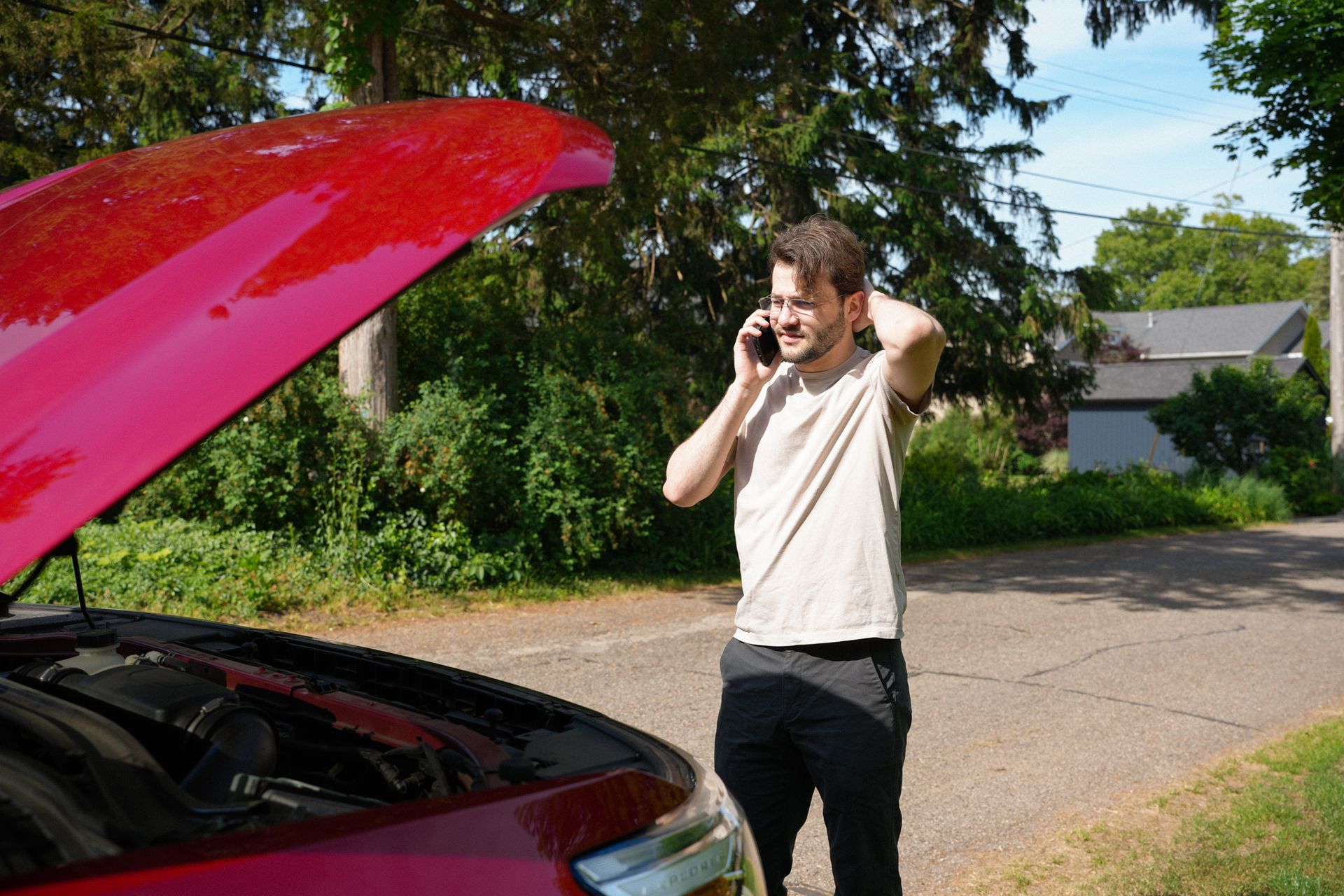
A car accident is a jarring experience for everyone involved. Most drivers have an idea that they need to do something immediately after it happens, but few can tell you exactly what that is, in what order, and why it matters. That’s even more true when you’re standing on the side of the road and shaken up about what just happened.
Priority one will always be to make sure that everyone involved is okay. After that, it’s all about documenting what happened. You want to gather evidence that will protect you in the future. What you do immediately after a car accident can have a profound effect on the entire repair and claims process.
Here’s what you need to do, and why each matters.
What Should You Do in the First Few Minutes After a Car Accident?
“Safety should always be your number one concern. Make sure you and anyone else involved is okay and that there’s no immediate danger to your health,” says Joe Townsend, owner of Dunshee Body & Frame. “Cars can be fixed and replaced; people can’t.”
Before you take photos, before you call insurance, before even thinking about your car, here’s what to do:
Take a breath and assess what’s going on around you before getting out of your vehicle- Get yourself and any other passengers to a safe location away from traffic
- Check on any other parties involved in the car accident
- Call 911 if anyone is injured or you’re unsure of the situation
Newer vehicles can handle some of this for you. Some modern cars have built-in crash detection features that automatically notify emergency services on impact, even if the driver isn’t able.
Once you’re sure everyone is safe and accounted for, you can turn your attention to the next step.
What Should You Document at the Scene Of A Car Accident?
Documentation is one of the most important, and underdone, aspects of a car accident. The evidence you’re able to gather immediately following an accident is critical, and may be the only record of what happened. Once the vehicles move, some of that evidence is gone forever.
Photograph the scene
- All vehicles involved in the crash, from multiple angles
- All visible damage, taken from close up and at a distance
- The surrounding environment, the weather, and anything that indicates the road condition
- If an animal caused the crash, photograph the animal and any physical evidence such as fur on your bumper
In a wildlife collision, physical evidence at the scene is crucial in establishing the cause of the accident when a claim is filed.
Collect the other driver’s information
- Full name and contact information
- Driver’s license number
- Insurance company and policy number
- Vehicle make, model, and license plate
If there are any witnesses at the scene, ask for their contact information, too. An independent account of what happened and what led up to the crash can help settle disputes about fault.
Write down or record what you remember
While you’re at the scene, write down or make a voice note on your phone as much as you can about what happened while all the details are fresh in your mind. Make notes about the approximate time, which direction each vehicle was driving, what the road and weather conditions were like, and anything else you noticed right before impact.
The photos you take will help establish the scene, and your notes will fill in the context that photos can’t capture.
How Do You Know If Your Car Is Safe to Drive After an Accident?
Just because a car looks drivable on the outside doesn’t mean it actually is. Sheet metal on the outside of your car tells you very little about what happened to the systems underneath, such as the frame, suspension, and the sensors and cameras that many modern cars rely on.
If you drive a newer vehicle
The majority of modern cars are built with failsafe systems that prevent a car from working normally when a critical system is compromised, like from a collision.
If your car won’t start, won’t shift, and it’s throwing up warning lights like a Christmas tree, the vehicle’s system is telling you something is wrong. In these cases, the car will make the drivability decision for you.
If you drive an older vehicle
Without the modern built-in safeguards, these are the warning signs to look for that tell you your vehicle is undrivable:
Fluid leaking from underneath the car- Handling that feels erratic or pulls you forcefully to one side
- Scraping or grinding sounds when you try to drive
Any of those signs are major indicators that your car shouldn’t be driven. It’s best to err on the side of caution in these cases, because no matter how bad a situation looks, it can get worse.
Regardless of the age of your vehicle, even a car that drives normally after an accident may have damage that isn’t immediately visible or apparent. Modern safety systems like cameras, radar, adaptive cruise control, and blind spot monitors can all become uncalibrated, which can lead to major safety issues. An inspection at a certified shop will help you diagnose these problems.
Should You Accept The Insurance Company’s First Offer Before Choosing a Repair Shop?
You want to be cautious about deciding your insurance claim on impulse. Insurance companies, especially in the era of mobile phones and estimator apps, often want to move quickly after a claim is filed. A check arrives, the customer picks a shop, and the process feels to the customer like things are already in motion. But those early decisions are yours to make, not the insurance company’s, and making them without the right information can end up costing you.
"The new model for insurance agencies is to use photo apps to estimate a claim before a body shop has even seen your car," Townsend says. "They'll look at what you send, cut you a check for $2,000, and you naturally feel like you should take it. But if you go to repair your car later and the physical inspection shows it's actually $6,000 to fix your car, the insurance companies will deny your claim and you'll be out of luck."
The estimate gap is common because of the way modern vehicles are built. Bumper covers, panels, and protective shields are designed to absorb the impact of a crash, and can hide damage to structural components, sensors, and the safety systems underneath. A photo estimate has no way of seeing that damage. That makes it critical to get an independent estimate before accepting a check from your insurance on a claim.
Research before you agree to anything with your insurance company. Visit a shop’s website, read its
Carwise profile, look at Google reviews and see what others are saying, and make sure the shop holds the right certifications to repair your vehicle.
“Don’t let someone who owes you money [the insurance company] dictate where your car gets taken,” Townsend says. “Because more likely than not, it won’t be in your best interest.”
It’s one of the most common things Dunshee's estimating team sees when cars come through the door. Vehicles come in with insurance estimates that fall short of what's actually required, and only a thorough inspection shows the full picture. That's why Dunshee offers free estimates and fully inspects every vehicle. It's also why choosing a shop that's certified to work on your vehicle's make matters.
In Michigan,
you have the legal right to choose the shop that repairs your vehicle. While your insurance company can suggest and recommend shops that are in its preferred network, the decision is solely yours.
What Happens When You Call a Body Shop Right After an Accident?
A good shop’s top priority when you call after an accident should be your well-being. At Dunshee, the first questions asked are always about whether everyone involved is alright. From there, it’s about understanding the situation. They ask what happened, where your vehicle is, whether you can drive it, and if Dunshee is the right shop for your repair.
Transparency is the foundation of your first call. With transparency comes trust. That means being honest about timelines, what the estimate process looks like, and what you should expect moving forward. It’s not about just getting your car in the door.
Once it’s clear that Dunshee is the right fit, the next step is to schedule an estimate. That means bringing your car in if it’s drivable, or having undrivable vehicles towed to the shop. Regardless, the goal of the call is to give you a clear picture of what’s ahead.
Not Sure What to Do Next After an Accident?
Dunshee Body & Frame has been helping to guide drivers through the collision process since 1973. Whether you’ve just gotten off the road or you’re figuring out your next step after an insurance estimate, the team at Dunshee can walk you through the process clearly, with no pressure and no obligation.
Dunshee is
I-CAR Gold Class certified, has OEM certifications for 13 manufacturers, and backs every repair with a lifetime warranty on workmanship. The estimate is free, and the conversation about your car is straightforward.
Call the Kalamazoo location at 269-375-2100 or the Vicksburg location at 269-649-8100.